
Why Heating Oil Is Still a Reliable Home Heating Source
With climate control becoming essential in modern living, families are seeking efficient and dependable heating options for the colder months. Despite the rise of alternative technologies, heating oil continues to hold a prominent role as a home heating solution. Its long-standing presence reflects both historical reliability and continuous technological improvements that meet modern energy and environmental standards. Understanding the enduring benefits and evolving capabilities of oil heating systems shows why it remains a practical and cost-effective choice for homeowners.
Heating oil offers homeowners a balance of comfort, efficiency, and affordability. Its energy density provides robust heat output, and its storage flexibility allows households to manage supply even during harsh winters. Exploring the history, technological advancements, efficiency, cost-effectiveness, environmental considerations, and maintenance practices of oil helps homeowners make informed decisions about their home heating strategy.
Preserving The Historical Appeal of Heating Oil
Heating oil has a rich history dating to the early 20th century when it emerged as a cleaner, more convenient alternative to coal. Coal required manual handling, produced significant indoor smoke, and left ash residue. Heating oil could be delivered directly to homes and burned cleanly, offering safer, easier heating. Its adoption coincided with central heating systems, allowing multiple rooms to be heated simultaneously and enhancing household comfort.
After World War II, residential heating oil use expanded significantly. Companies invested in infrastructure, including storage tanks, pipelines, and distribution networks, ensuring homes across urban and rural regions had access to fuel. Consumers valued not only convenience but also reliability, with heating oil maintaining warmth consistently throughout cold winters. Even as electricity and natural gas grew in popularity, heating oil remained a primary choice due to its performance and flexibility in areas without gas lines.
Over the decades, the industry responded to market shifts and environmental concerns. Cleaner-burning formulations, improved burners, and automated systems reinforced heating oil’s reputation as dependable and efficient. Its adaptability to regulatory changes, technological innovations, and consumer needs has cemented heating oil as a mainstay in residential heating.
Advancing Efficiency With Modern Technology
Modern heating oil systems have undergone significant technological advancements, greatly improving efficiency and comfort. Early oil furnaces operated around 60% efficiency, with much energy lost during combustion. According to industry sources, today’s units with AFUE ratings above 90% can cut heating costs by 30% or more. These improvements reflect decades of research into burner design, fuel combustion, and heat transfer, making oil heating both economical and environmentally responsible.
Contemporary systems feature electronically controlled burners, smart thermostats, and programmable heating cycles. These allow homeowners to optimize fuel usage based on occupancy, weather, and personal comfort preferences. Mobile apps and digital interfaces enable real-time monitoring and predictive alerts, further increasing efficiency and control.
Safety is also enhanced. Modern systems include automatic shutoff, leak detection, and flame monitoring, reducing accident risk while maintaining consistent heat. These features are especially important for households with children, elderly residents, or pets. By combining efficiency, safety, and control, modern heating oil systems meet the high expectations of homeowners.
Maintaining Cost-Effectiveness Over Time
Heating oil remains cost-effective compared to other fuels, especially in areas without gas infrastructure. Even with global oil price fluctuations, high-efficiency systems reduce fuel consumption, mitigating costs.
Heating oil is favorable on a cost-per-BTU basis. Modern systems extract more heat from the same fuel volume, lowering energy bills. Homeowners can also schedule deliveries strategically to take advantage of seasonal pricing and bulk discounts. Storage flexibility ensures supply without reliance on continuous utility access, unlike electricity or gas.
Long-term cost considerations include maintenance and system lifespan. Well-maintained heating oil systems can last 20 to 30 years. Regular upkeep—filter replacement, burner cleaning, and tank inspection—preserves efficiency and prevents costly repairs. Combined with fuel savings, reliability, and manageable upkeep, heating oil is a financially attractive choice for urban and rural households alike.
Delivering Reliable Energy Under Extreme Weather
Heating oil excels in extreme weather. Fuel oil remains stable in cold temperatures and can be stored on-site, ensuring access to heat during power outages or supply disruptions. Electricity may fail during winter storms, and gas pipelines can face pressure issues or limitations.
Its high energy density allows rapid heat generation, quickly warming homes. Delivery networks often include redundancy and stockpiling to prevent shortages during peak demand. On-site storage and a robust distribution system ensure oil remains a steady, dependable heat source.
Heating oil’s adaptability enhances resilience. Tanks can be sized to household needs, and supplemental systems like radiant heat or baseboards integrate easily. This flexibility allows tailored solutions that optimize comfort and efficiency, reinforcing heating oil’s value across diverse home layouts and climates.
Reducing Environmental Impact With Cleaner Systems
Environmental considerations have driven significant innovation in heating oil. Modern formulations and burners reduce sulfur and particulate emissions, and improved combustion converts more fuel into usable heat rather than waste.
Some suppliers blend conventional fuel oil with renewable components, lowering carbon intensity. Coupled with high-efficiency burners, these measures allow oil to meet environmental standards without sacrificing performance or reliability. Incentives, tax rebates, and efficiency certifications encourage adoption of cleaner oil systems.
Smart monitoring and predictive maintenance further reduce fuel waste, allowing energy-conscious homeowners to enjoy robust heat while minimizing their carbon footprint. Efficiency, technology, and sustainability together position heating oil as a responsible modern heating choice.
Extending Longevity Through Proper Maintenance
A well-maintained oil furnace can last decades, delivering reliable heat and cost savings. Key practices include cleaning burners, replacing filters, inspecting tanks, and checking system controls. Regular maintenance preserves efficiency and prevents breakdowns.
Smart diagnostics and predictive analytics simplify upkeep, alerting homeowners to potential issues before repairs are needed. Professional inspections maintain warranty coverage and extend system life. Compared to other heating methods with shorter lifespans or higher repair rates, heating oil provides durability and dependability.
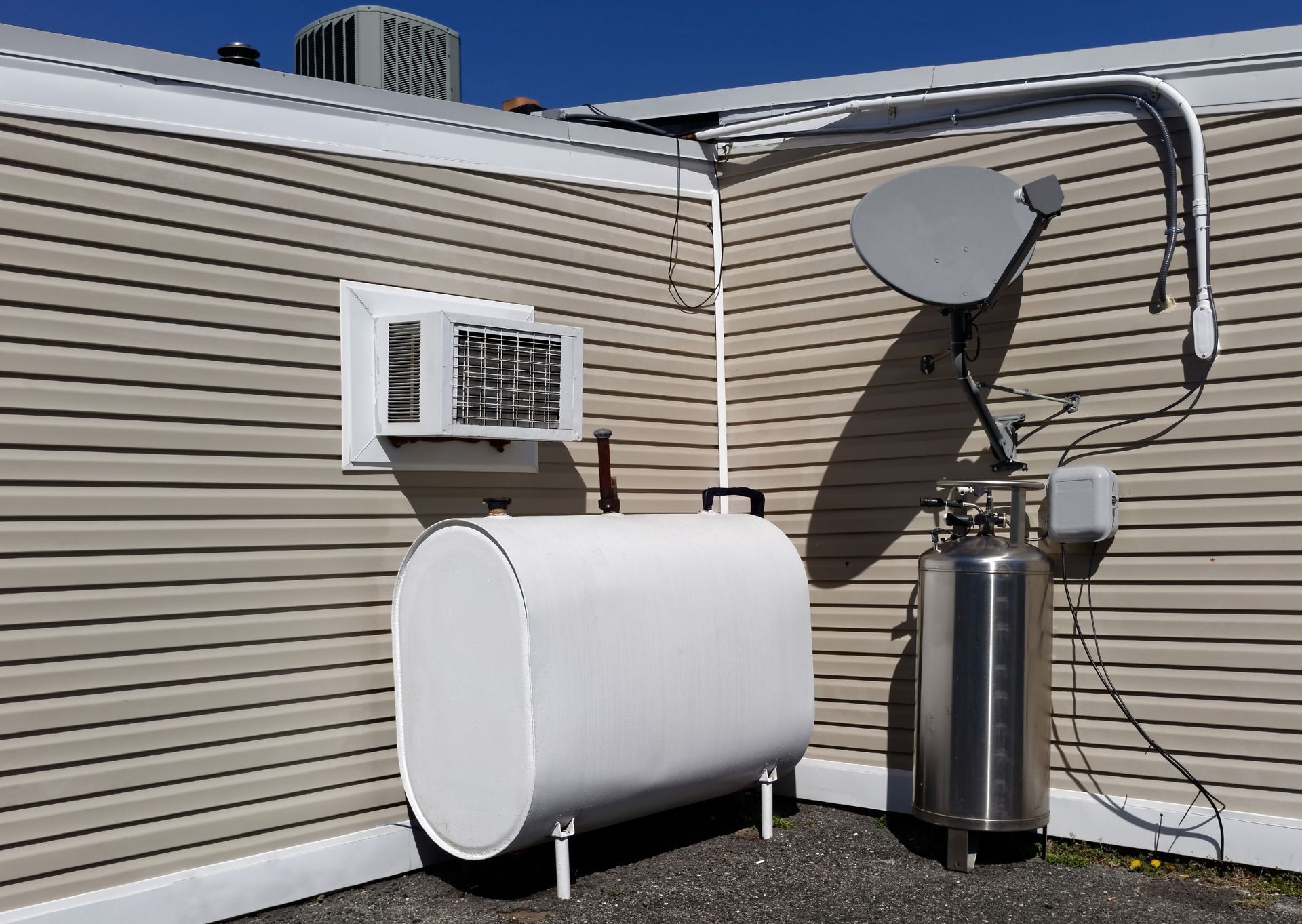
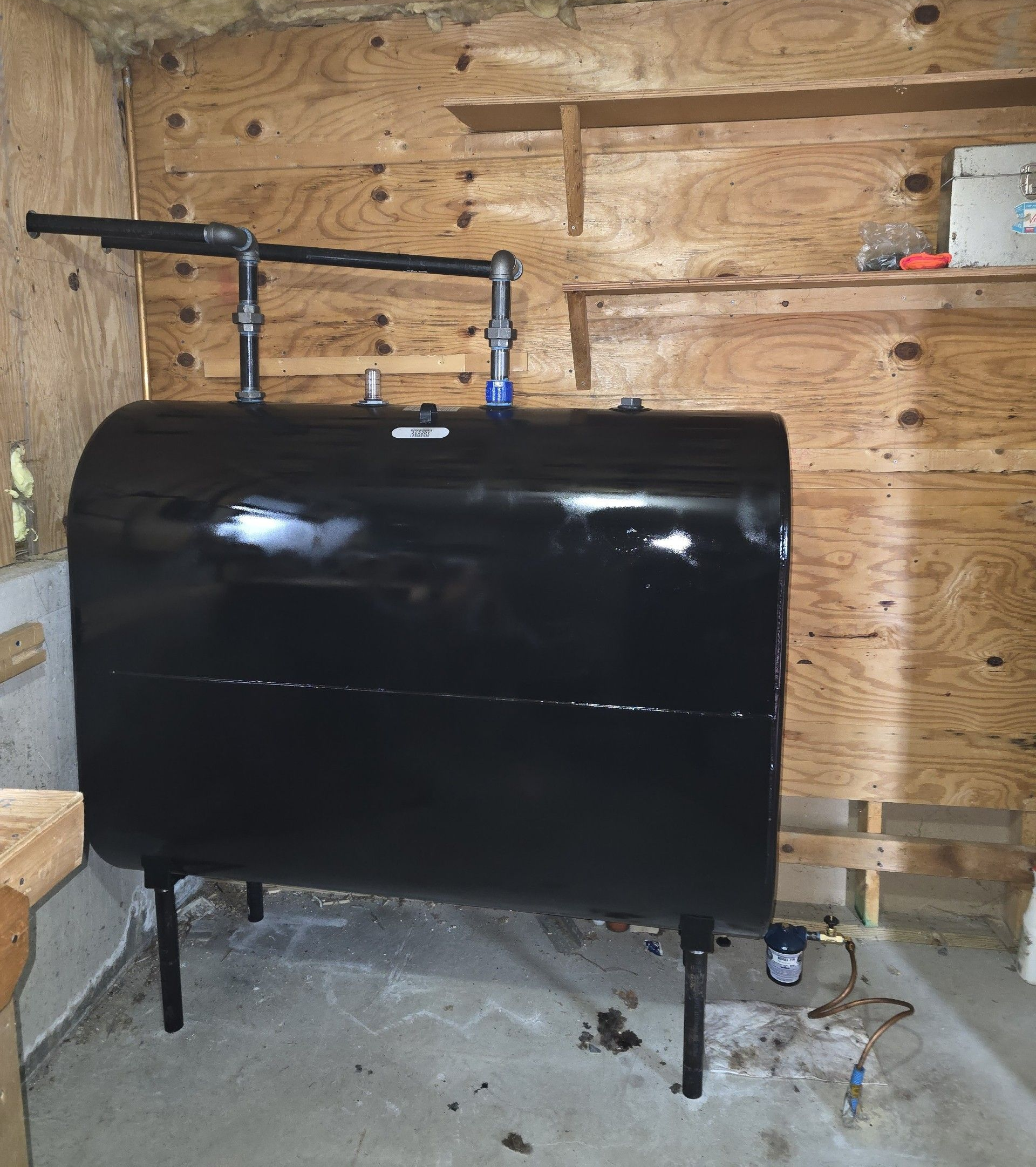
Proper fuel storage is also critical. Modern tanks are durable and corrosion-resistant, with leak-prevention features. Scheduled deliveries and proper storage reduce supply interruptions and system damage. Attending to both the furnace and fuel infrastructure ensures efficient, safe, and long-lasting heating.
Navigating Policy and Regulatory Changes
Heating oil’s evolution is tied to regulatory and policy developments. Environmental regulations have driven low-sulfur fuels and high-efficiency burners, while energy policies encourage conservation and emissions reduction. Incentives and rebates make modern systems accessible, supporting adoption and modernization.
Policies show that heating oil can adapt to changing energy priorities. Compliance with environmental standards, renewable blends, and efficient technology allows homeowners to benefit from heating oil while contributing to sustainability goals. Regulatory frameworks also ensure safety and accountability across distribution, storage, and combustion, making heating oil a modern, responsible, and reliable heating choice.
Heating oil continues to provide a reliable, efficient, and adaptable home heating solution for modern households. Its combination of high energy output, cost-effectiveness, and resilience in extreme weather ensures consistent warmth throughout the coldest months. Modern heating oil systems also incorporate environmental improvements and technological upgrades, including cleaner-burning fuels and smart controls, which enhance efficiency, reduce waste, and give homeowners more control over their comfort.
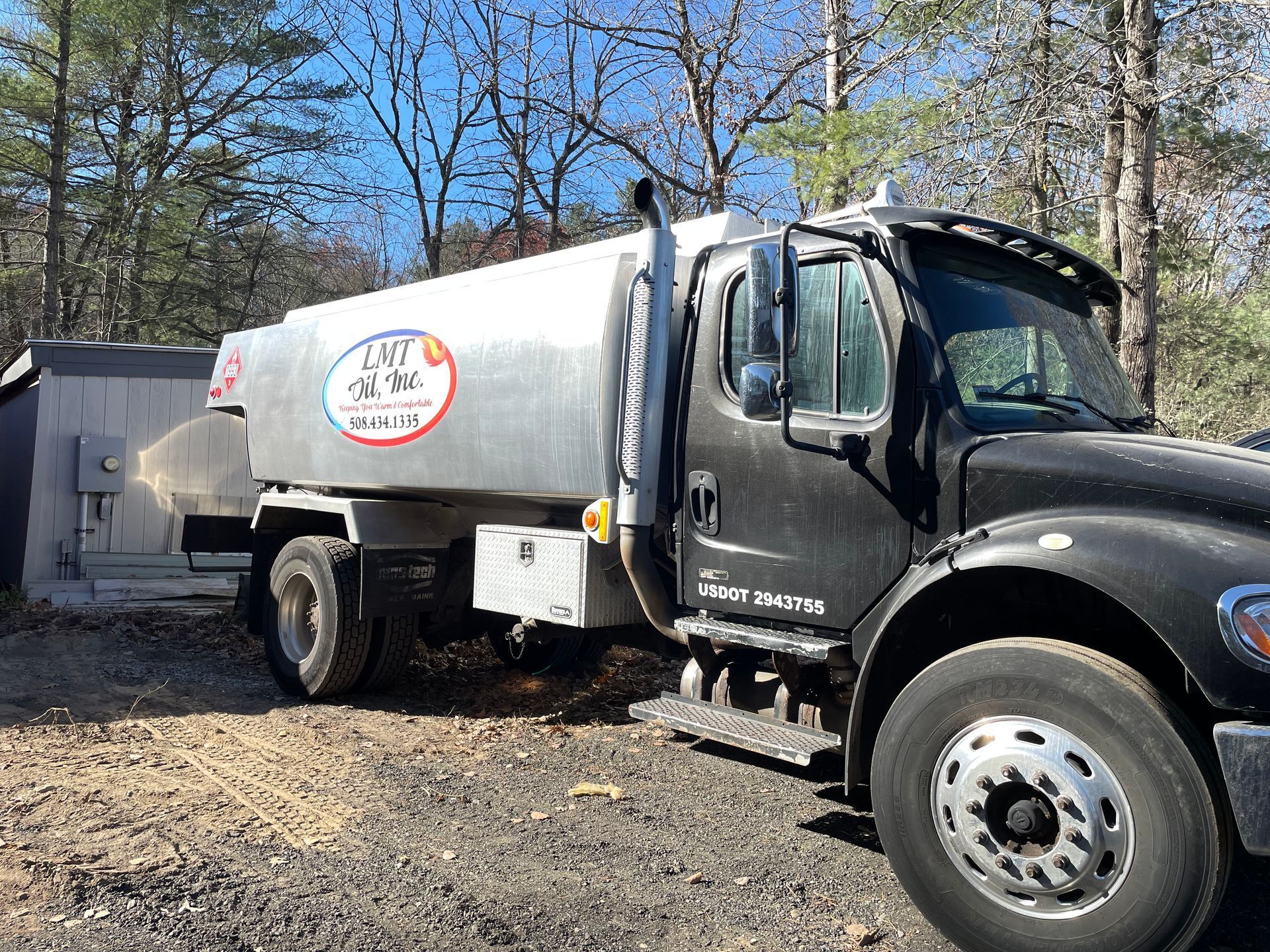
With proper maintenance and professional care, these systems can deliver years of dependable performance, making heating oil a long-term investment in both comfort and energy savings. For homeowners seeking a trusted heating solution that balances reliability, efficiency, and sustainability, heating oil remains an excellent choice. For dependable service, expert advice, and ongoing support, homeowners can rely on LMT Oil Inc. to keep their homes warm and efficient all year long.

Share On: