
The Complete Guide to Heating Oil Delivery and Storage for Homeowners
Maintaining a warm and comfortable home throughout colder months depends heavily on having a reliable and efficient fuel source. For many homeowners, residential heating oil continues to be a trusted option due to its performance, consistency, and ability to deliver strong heat output. Understanding how delivery systems work and how to properly store fuel is essential for ensuring uninterrupted comfort. With the right approach, homeowners can manage their heating needs more effectively and avoid unexpected disruptions during peak usage seasons. This level of preparation also helps reduce stress during extreme weather conditions when heating demand is at its highest.
Heating systems rely on consistent fuel availability, and even minor disruptions can affect overall performance. This is why planning ahead and understanding delivery schedules is so important. Residential heating oil must be managed carefully to ensure that supply levels remain sufficient throughout the season. By staying informed and working with experienced providers, homeowners can maintain reliable heating without unnecessary stress or last-minute concerns. Establishing a routine for monitoring usage and scheduling deliveries can make a noticeable difference in overall system reliability and household comfort.
According to This Old House, one gallon of heating oil produces approximately 137,381 BTUs of heat, compared to about 91,452 BTUs from a gallon of propane. This higher heat output highlights the efficiency of oil as a heating fuel and reinforces its value for residential use. With proper delivery planning and storage practices, homeowners can maximize this efficiency while maintaining a steady and dependable energy source. This efficiency also means that systems can produce consistent warmth without requiring excessive fuel consumption. Here are the key aspects of heating oil delivery and storage that every homeowner should understand to ensure long-term comfort and performance.
We’ve seen how a well-managed system can improve both efficiency and reliability. Below are the essential components of managing residential heating oil effectively, from delivery planning to safe storage practices. Paying attention to each of these elements helps create a more dependable and stress-free heating experience.
Understanding Heating Oil Delivery Scheduling
Planning Delivery Timing
Scheduling deliveries at the right time is essential for maintaining a consistent fuel supply. Homeowners should consider seasonal demand and usage patterns when planning deliveries. Residential heating oil consumption typically increases during colder months, making early scheduling a key factor in avoiding shortages. Planning ahead also allows homeowners to take advantage of more flexible scheduling options.
Monitoring Fuel Levels
Keeping track of tank levels helps ensure that deliveries are arranged before fuel runs too low. Many homeowners rely on regular monitoring to avoid emergency situations. Consistent oversight allows for better planning and uninterrupted heating. This habit also helps identify unusual usage patterns that may indicate system inefficiencies.
Coordinating With Service Providers
Working closely with a delivery provider helps streamline the process and ensures timely service. Reliable coordination reduces uncertainty and helps homeowners maintain confidence in their heating system. Strong communication also helps prevent scheduling conflicts during high-demand periods.
Adapting to Seasonal Demand
Demand for heating oil fluctuates throughout the year. Understanding these patterns allows homeowners to schedule deliveries more effectively and avoid delays during peak seasons. Being proactive during colder months ensures consistent availability when it matters most.
Ensuring Proper Storage Tank Conditions
Maintaining Tank Integrity
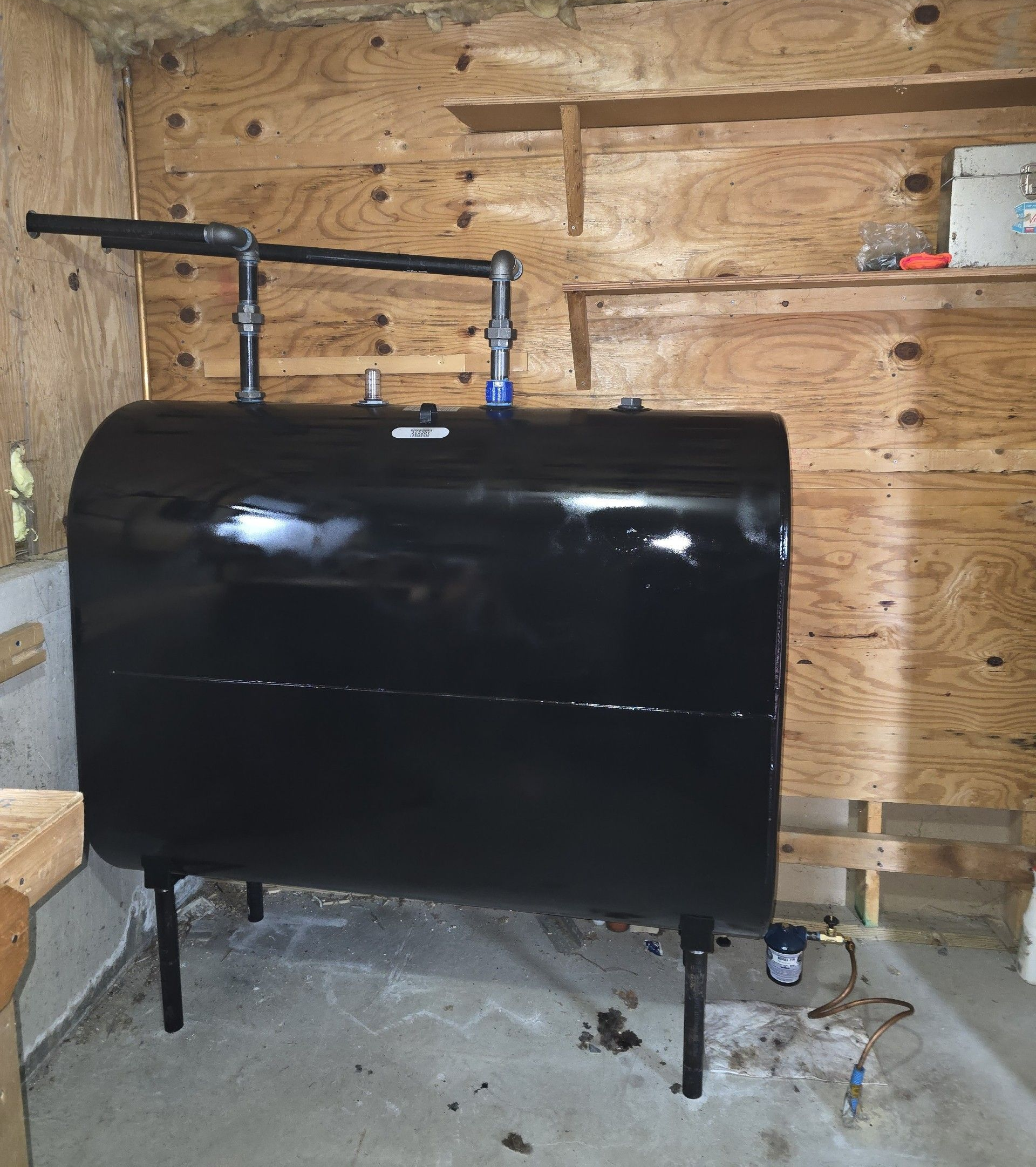
The condition of the storage tank plays a critical role in overall system performance. A well-maintained tank helps preserve the quality of residential heating oil and prevents leaks or contamination. Regular attention to tank condition supports long-term reliability and safe operation.
Preventing Corrosion and Damage
Over time, tanks can be affected by environmental conditions. Protecting against corrosion ensures that the tank remains structurally sound and capable of storing fuel safely. Preventive care reduces the likelihood of unexpected issues and costly repairs.
Monitoring Tank Placement
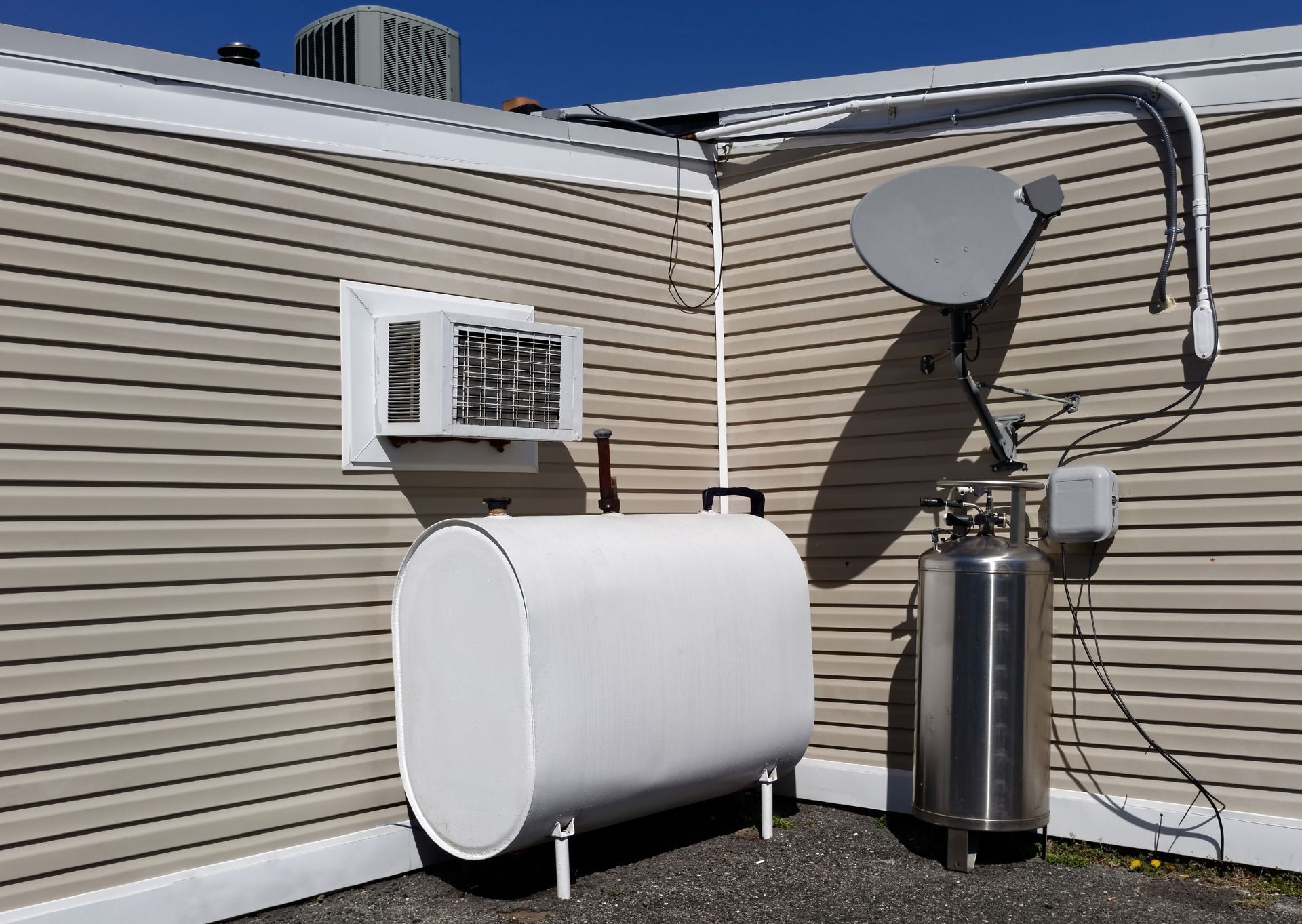
Proper placement of the tank helps reduce exposure to environmental stress. Whether located indoors or outdoors, positioning should support both safety and accessibility. Thoughtful placement also makes routine inspections easier to perform.
Supporting Long-Term Reliability
A well-maintained tank contributes to consistent performance and reduces the risk of unexpected issues. This reliability is essential for maintaining a dependable heating system. Long-term care helps ensure the system continues to operate efficiently year after year.
Managing Fuel Quality and Efficiency
Preserving Fuel Condition
Maintaining the quality of residential heating oil ensures that it burns efficiently and provides consistent heat output. Proper storage conditions help prevent contamination and degradation. High-quality fuel supports better system performance overall.
Reducing Sediment Buildup
Sediment accumulation can impact system performance over time. Monitoring and addressing buildup helps maintain efficiency and supports smooth operation. Keeping fuel clean also helps protect internal system components.
Optimizing Combustion Performance
Clean and properly stored fuel allows heating systems to operate at their best. Efficient combustion contributes to better heat distribution and reduced energy waste. This efficiency supports both comfort and cost management.
Supporting Energy Efficiency
High-quality fuel combined with proper system maintenance enhances overall efficiency. This helps homeowners maximize the benefits of their heating system. Improved efficiency also contributes to more consistent indoor temperatures.
Maintaining Safe Storage Practices
Ensuring Proper Ventilation
Storage areas should allow for adequate ventilation to maintain safe conditions. This helps prevent potential hazards and supports proper system operation. Good airflow also helps preserve fuel quality over time.
Preventing Leaks and Spills
Regular inspections help identify any signs of leaks or weaknesses in the tank. Addressing these concerns promptly ensures safe storage of residential heating oil. Early detection helps prevent more serious issues from developing.
Monitoring Environmental Factors
Temperature and moisture levels can affect storage conditions. Keeping these factors in check helps maintain both safety and fuel quality. Stable conditions contribute to better long-term performance.
Supporting Household Safety
Safe storage practices protect both the home and its occupants. Maintaining proper conditions ensures peace of mind throughout the heating season. Consistent safety measures also help reduce potential risks.
Improving System Performance Through Maintenance
Scheduling Routine Inspections
Regular system evaluations help ensure that all components are functioning properly. This proactive approach supports consistent performance and reduces the likelihood of disruptions. Routine checks also help extend system lifespan.
Addressing Minor Issues Early
Small concerns can develop into larger problems if left unaddressed. Early attention helps maintain efficiency and extends the lifespan of the system. Prompt action ensures continued reliability.
Ensuring Consistent Operation
A well-maintained system provides reliable heating throughout the season. This consistency is essential for maintaining comfort and efficiency. Dependable operation reduces the likelihood of unexpected interruptions.
Supporting Long-Term Durability
Ongoing maintenance helps preserve system integrity and ensures dependable performance over time. This approach reduces the need for unexpected repairs. Long-term durability supports overall cost efficiency.
Planning for Long-Term Heating Needs
Understanding Usage Patterns
Recognizing how much residential heating oil is used throughout the year helps homeowners plan more effectively. This insight supports better scheduling and budgeting. Awareness of usage trends helps improve overall efficiency.
Preparing for Seasonal Changes
Heating needs vary depending on weather conditions. Planning ahead ensures that fuel supply remains sufficient during colder periods. Seasonal preparation helps maintain consistent comfort.
Maintaining Consistent Supply
Reliable delivery schedules and proper storage practices help maintain a steady supply of fuel. This consistency supports uninterrupted heating. A stable supply ensures that the system can perform at its best.
Supporting Future Efficiency
Long-term planning allows homeowners to optimize system performance and ensure ongoing efficiency. This proactive approach contributes to lasting comfort and reliability. Consistent planning helps avoid unnecessary complications.
Managing heating oil delivery and storage effectively is essential for maintaining a comfortable and efficient home. From scheduling deliveries and monitoring fuel levels to ensuring proper storage and maintaining system performance, each aspect plays a critical role in supporting reliable heating. Residential heating oil provides a dependable energy source when managed correctly, offering both efficiency and consistency throughout the year. This dependable performance is especially valuable during periods of extreme weather.
By taking a proactive approach to fuel management and system care, homeowners can avoid disruptions, improve efficiency, and maintain long-term performance. Understanding these key elements ensures that heating systems continue to operate smoothly, even during periods of high demand. Consistent attention to these details helps create a more reliable and comfortable home environment.
If you’re ready to ensure dependable fuel delivery and long-term system performance, contact LMT Oil Inc today to learn how professional residential heating oil services can keep your home comfortable and efficient all season long.

Share On: